HOW YOUR HOME IS USEDEvery Activity Leaves Its Own Cleaning Pattern
A home is not used for one purpose.
Breakfast may begin in the kitchen. Someone may sit down at a desk or home office for several hours. Children may use another area for homework, play, or hobbies. Pets move between rooms. Laundry travels from bedrooms to bathrooms and back again.
Later, people return to the kitchen. The living room becomes a place to relax. Packages come through the entrance. Shoes cross the floors. Someone opens a window. Dinner is prepared. Dishes accumulate. Towels are used. Guests may arrive.
Each activity interacts with the home differently.
Cooking creates one kind of cleaning work. Pets create another. Working from home creates another. Children, visitors, hobbies, meals, laundry, and ordinary movement create others.
The result is that cleaning needs are rarely distributed evenly throughout a property.
The rooms that do the most work for the household often create the most work to maintain.
Different Activities Leave Different Signs Behind
A room's purpose can tell you a lot about the type of cleaning work that is likely to return there. The more frequently an activity occurs, the more frequently certain surfaces may need attention.
Kitchens, Meals & Daily Food Preparation
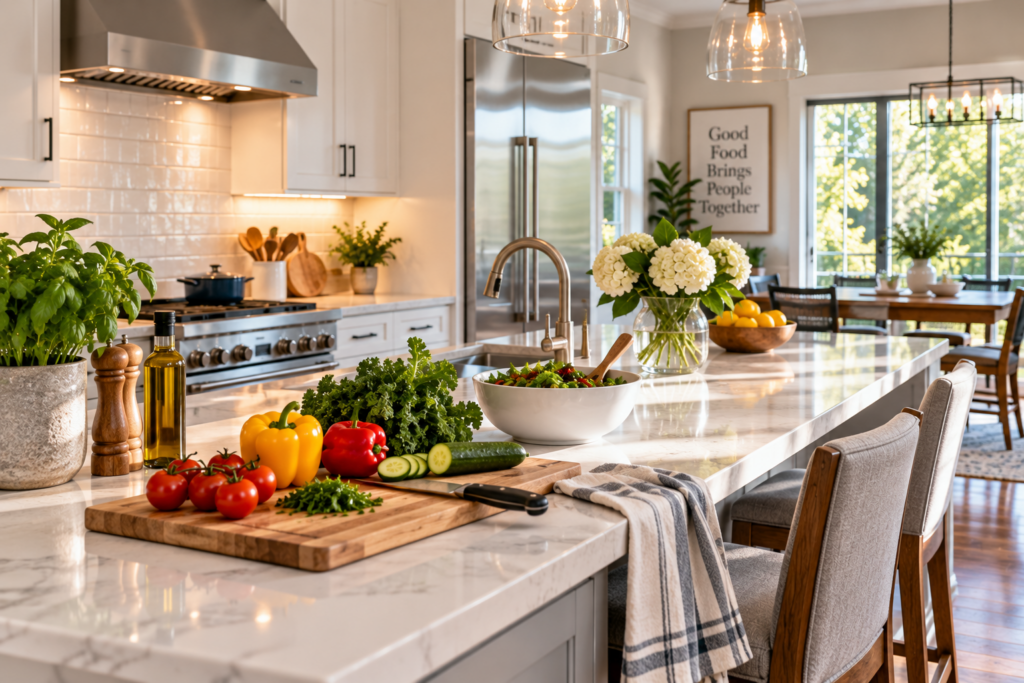
A kitchen can begin creating cleaning work before anyone sits down to eat. Ingredients, packages, utensils, countertops, cabinet handles, appliances, dishes, chairs, and floors all become part of the process.
It is a workspace that repeatedly creates new cleaning work through ordinary use.
Living Rooms, Family Time & Shared Spaces
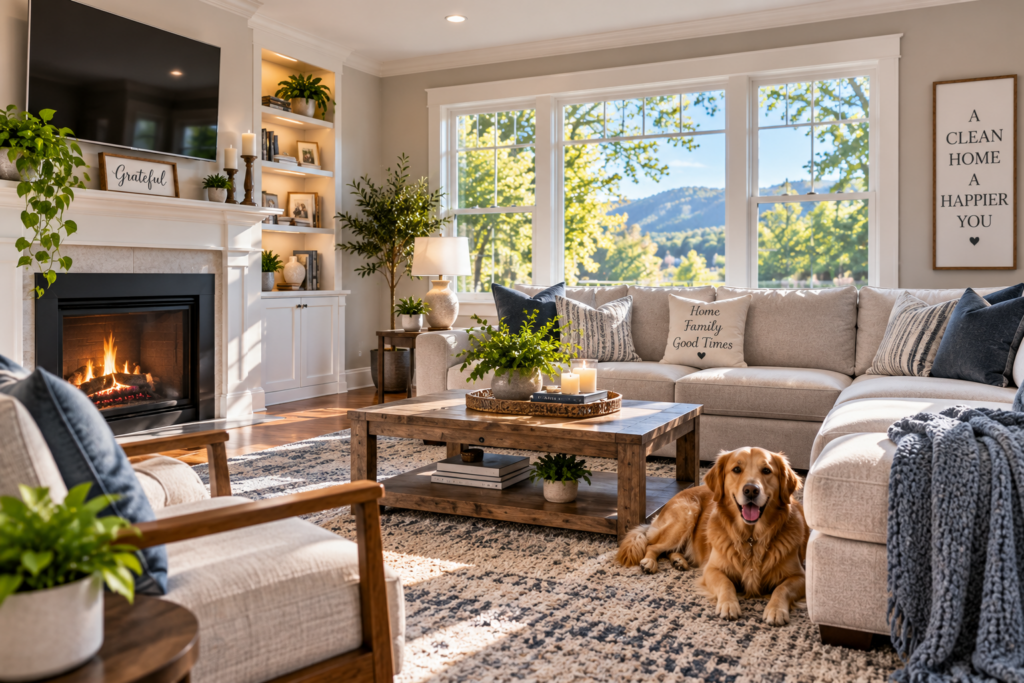
Living rooms often support relaxing, television, reading, conversation, snacks, pets, visitors, work, and study in the same space.
Rugs, sofas, pillows, throws, curtains, and upholstered furniture interact with dust, crumbs, hair, and pet-related material differently from hard surfaces.
Home Offices, Desks & Work Areas
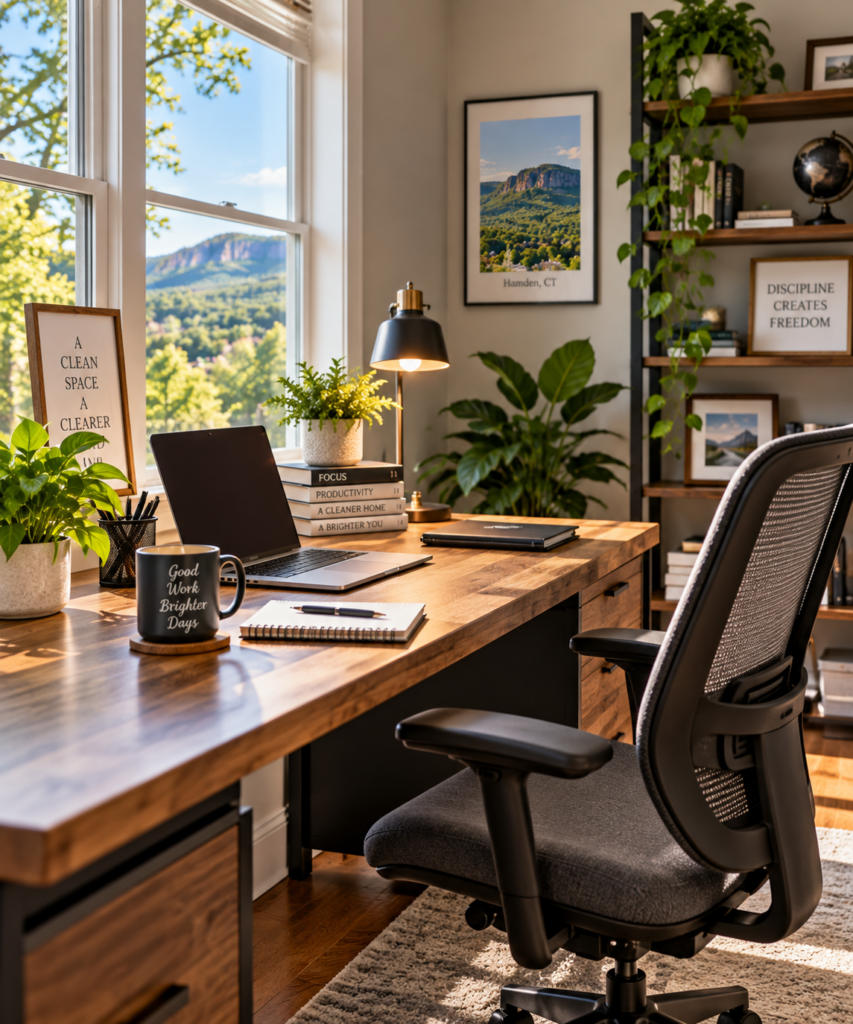
Working from home can turn a relatively quiet room or corner into a space used for hours every day. Desks, devices, screens, keyboards, chairs, shelving, wastebaskets, and nearby floors receive repeated use.
Entryways, Hallways & Everyday Movement
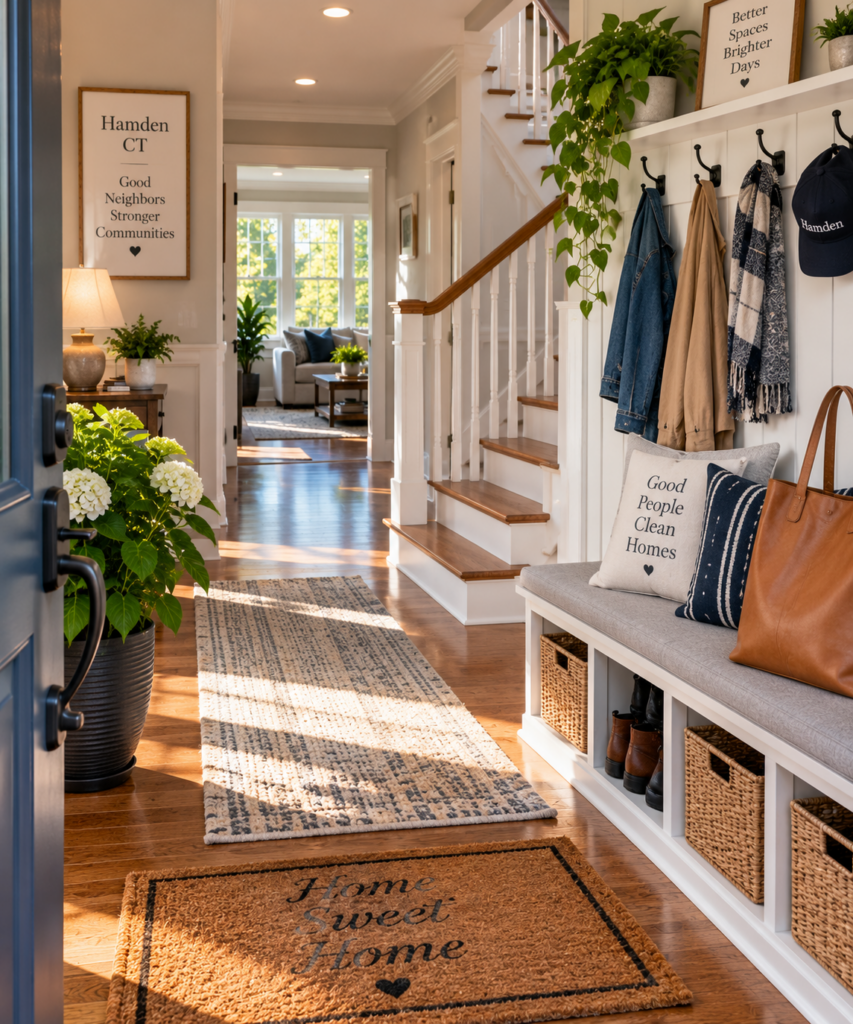
Hallways and entrances may not be places where people spend much time, but they can experience tremendous movement. Shoes, bags, coats, packages, pets, children, and ordinary traffic all pass through them.
ROOMS CHANGE JOBSA Room Can Change Jobs Throughout the Day
A dining table may become a homework station. A kitchen island may become a desk. A spare bedroom may become a home office. A living room floor may become a children's play area. A finished basement may function as a gym, entertainment room, workspace, and guest area at different times.
When a room changes jobs, the cleaning work can change with it.
The room did not get larger. It simply started doing more.
A HARD-WORKING ROOMThe Kitchen May Be the Hardest-Working Room in the House
Few rooms combine as many different activities as the kitchen. Food is stored and prepared there. Meals may be eaten there. Dishes are washed there. People gather there. Groceries arrive there. Pets may eat there.
Water, food, heat, grease, crumbs, packaging, fingerprints, and foot traffic can all interact within the same room.
The activity simply restarted.
WORKING AT HOMEWorking From Home Changes More Than Your Commute
A room that once sat mostly unused can behave very differently when someone begins spending eight hours a day there. More occupancy means more movement, objects, electronics, chair movement, floor traffic, waste, and frequently touched surfaces.
The number of residents stayed the same. The amount of time they spend in particular rooms changed.
PETS MOVE THROUGH THE HOMEPets Don't Keep Their Cleaning Needs in One Room
Hair can move. Paws cross floors. Water can splash around bowls. Toys travel between rooms. Outdoor material may enter on paws or coats. Furniture may become a resting place.
The cleaning pattern depends on the animal, the home, the season, and the household routine.
Where do the pets go, and what happens to the surfaces they use along the way?
OCCUPANCY MATTERSMore People Usually Means More Repeated Contact
Two identical bathrooms can develop different cleaning needs when one is used by one person and the other is shared by several people. The same principle applies throughout a home.
Frequency of use can matter as much as the size of the room.
THE WEEK CHANGESWeekdays and Weekends Can Create Different Cleaning Patterns
During weekdays, people may leave for work or school. Then the weekend brings more meals, children at home, guests, projects, laundry, and movement. Other households work in the opposite way because someone works from home throughout the week.
The calendar matters less than what actually happens inside the home.
WHEN GUESTS ARRIVEGuests Temporarily Change How a Home Is Used
Visitors can increase traffic through entrances, living rooms, kitchens, dining areas, guest bathrooms, and bedrooms. Occupancy and activity can temporarily shift cleaning priorities.
QUIET ROOMSSome Rooms Stay Quiet but Dust Doesn't
Guest bedrooms, formal dining rooms, spare rooms, and other quieter spaces may avoid heavy traffic, but inactivity does not stop dust from settling on window sills, furniture, shelves, baseboards, floors, and decorative objects.
Frequently used rooms recreate mess through activity. Quiet rooms can develop cleaning needs through time and settling.
MATCHING ATTENTION TO USEHigh-Use and Low-Use Rooms Shouldn't Always Be Treated the Same
High-Use Areas
Kitchens
Primary bathrooms
Family rooms
Entrances
Hallways
Frequently used bedrooms
Home offices
Pet areas
Lower-Use Areas
Guest bedrooms
Formal dining rooms
Spare rooms
Storage areas
Occasionally used bathrooms
Certain finished basement spaces
Lower use does not mean no cleaning. It means the reason and frequency for cleaning may be different.
WHEN ROUTINES CHANGEWhen Everyday Life Starts Outpacing the Cleaning Routine
Working from home, children, pets, new household members, entertaining, busier schedules, and newly active rooms can all create more activity for the cleaning routine to absorb.
CHOOSING THE RIGHT LEVELDifferent Cleaning Levels for Different Situations
Routine Cleaning
For generally maintained frequently used spaces.
Recurring Cleaning
For cleaning work that continually returns through household activity.
Deep Cleaning
For accumulated dust, grime, residue, and neglected surfaces.
One-Time Cleaning
For guests, busy periods, seasonal attention, or occasional professional help.
Move & Turnover Cleaning
For preparing a property for another stage of occupancy.
Professional Cleaning Services Available in Hamden, CT
Residential Cleaning
Professional cleaning for houses, apartments, condos, townhomes, and other appropriate residential properties.
Recurring Cleaning
Ongoing cleaning for households that want regular help maintaining frequently used areas.
Deep Cleaning & One-Time Cleaning
More detailed cleaning or professional cleaning for a particular occasion.
Move-In & Move-Out Cleaning
Cleaning during moves, changes in occupancy, and property transitions.
Airbnb & Short-Term Rental Cleaning
Cleaning for appropriate short-term rental properties between guests.
Post-Construction & Renovation Cleaning
Cleaning for completed projects where dust and residue remain.
Office & Commercial Cleaning
Professional cleaning for appropriate workplaces and commercial properties.
Hamden Homes Don't All Follow the Same Routine
Hamden includes busy family homes, quieter households, commuters, people who work from home, apartments, condominiums, rental properties, single-family homes, student-related housing, and residential settings extending toward Mount Carmel and Sleeping Giant.
Cleaning should respond to the household rather than assuming every property follows the same routine.
RENTALS AND TURNOVERSStudent and Rental Properties Can Have Their Own Activity Cycles
A rental property may experience ordinary maintenance followed by a move, vacancy, new occupant, or turnover. During a turnover, the focus shifts toward preparing the property for what happens next.
COMMERCIAL ACTIVITYCommercial Spaces Follow Activity Patterns Too
Entrances experience traffic. Restrooms experience repeated use. Break rooms generate food-related cleaning. Desks and workstations collect dust and frequently touched items. Common areas receive activity from multiple people.
A useful commercial cleaning plan begins with understanding what happens inside the property during an ordinary day.
SERVING HAMDENServing Homes & Properties Throughout Hamden, Connecticut
Sweep N Glow provides professional cleaning services for customers throughout Hamden, CT.
Hamden includes residential neighborhoods, apartments, rental properties, businesses, university-related areas, and communities extending toward the Mount Carmel and Sleeping Giant area.
Two households on the same street can create completely different cleaning patterns. The important question is not simply where the property is located.
It is what happens inside it every day.