SPACE VERSUS ACTIVITYSquare Footage Doesn't Tell the Whole Story
A smaller property may contain more occupants, furniture, pets, or concentrated activity than a larger one. The larger property may contain several rooms that receive relatively little use.
Square footage tells us how much physical space exists. It does not tell us how intensely that space is being used.
PEOPLE CHANGE THE SPACEOccupancy Changes the Cleaning Equation
Every additional person introduces another set of routines involving floors, bathrooms, food preparation, doors, fixtures, furniture, and household objects.
Two households of the same size may still use their homes completely differently. The number of occupants matters, but their routines determine how occupancy affects cleaning.
ARCHITECTURAL DETAILOlder Architecture Creates More Edges and Details
Detailed molding, window casing, radiators, built-in shelving, decorative trim, mantels, and paneled doors create edges, ledges, corners, and recesses where dust can settle.
The design of a room can influence cleaning independently of its size.
OPEN LIVINGOpen Floor Plans Spread Activity Across Larger Areas
A kitchen may flow directly into dining and living spaces, allowing people to move between functional areas without passing through a doorway.
Food, foot traffic, pet activity, toys, and everyday belongings can spread across several areas without encountering a natural stopping point.
CONCENTRATED ACTIVITYCompact Apartments Concentrate Everyday Activity
In a compact home, the entrance, kitchen, dining surface, living area, storage, and pet routes may all sit close together.
There is less distance between activities, which can make cleaning needs overlap in ways that may not occur in a larger property.
THE ROLE OF STORAGEStorage Can Determine How Easy a Room Is to Maintain
Boxes, baskets, shoes, equipment, countertop items, and other objects create more edges and can conceal the surfaces beneath them.
Storage influences both how a room functions and how easily its floors, counters, shelves, and furniture can be maintained.
SURFACE DIFFERENCESHard Floors Reveal Material Differently Than Carpet
On a smooth hard floor, dust, hair, crumbs, and grit may remain visible and move easily. Carpet can hold material within its fibers, while area rugs introduce additional edges.
Different floor coverings interact with household material differently, changing what you see and how material accumulates.
VERTICAL SPACEStairs Add Surfaces Without Adding Much Floor Space
A staircase adds multiple treads, risers, edges, corners, railings, balusters, landings, and sometimes carpet or wall trim.
Stairs demonstrate why square footage alone does not describe the number or complexity of surfaces that may need attention.
SHARED ACTIVITYShared Spaces Accumulate Everyone's Activity
Residents, visitors, deliveries, maintenance workers, employees, and customers can all contribute to activity in shared hallways, entrances, reception areas, stairwells, and common spaces.
Cleaning frequency may need to reflect total activity rather than the behavior of any one person.
REPEATED CONTACTHigh-Touch Surfaces Follow a Different Cleaning Cycle
Door handles, light switches, faucet handles, appliance handles, railings, cabinet pulls, and shared equipment are affected primarily by repeated contact.
A frequently handled surface may show little visible change even after substantial use.
QUIET SPACESA Quiet Room Still Collects Dust
An unused room still interacts with airflow, heating and cooling systems, sunlight, and fine particles that settle over time.
Low traffic reduces some cleaning needs, but it does not eliminate them.
BUSY DOESN'T ALWAYS LOOK DIRTYBusy Rooms Don't Always Look Dirty Immediately
Dark floors, patterned surfaces, furniture, and busy countertops can conceal particles or residue that would be more obvious elsewhere.
Appearance is useful, but it is not a complete measurement of how heavily a space has been used.
COMMERCIAL ACTIVITYCommercial Spaces Have Their Own Traffic Patterns
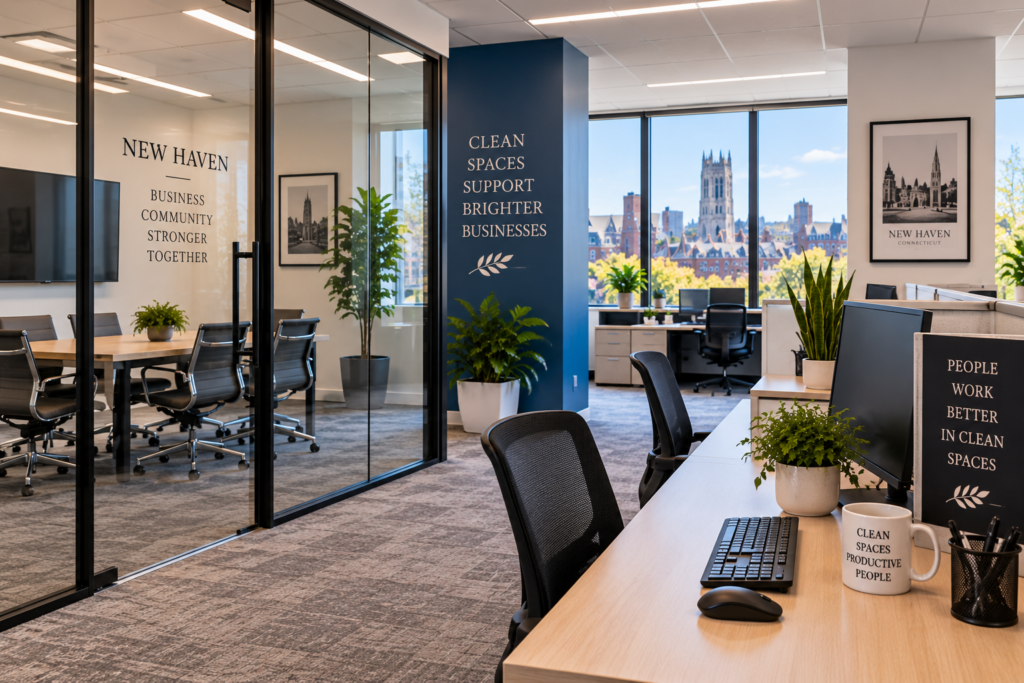
Employees, customers, visitors, conference rooms, break areas, restrooms, reception spaces, and shared equipment create patterns that differ from residential use.
A commercial cleaning plan should respond to how the particular workplace functions.
CLEANING FREQUENCYCleaning Frequency Should Follow Use, Not Just the Calendar
Guests, travel, remote work, events, pets, construction, maintenance, and changing routines can alter what happens inside a property from one week to the next.
The calendar provides structure. The property provides the evidence for which areas actually need attention.