WHAT THE ROOM HIDESFurniture Doesn't Remove Floor Space
Furniture changes access to flooring without removing it from the room. Beds, sofas, dressers and tables create covered sections, narrow edges and spaces that may need more intentional attention.
THE PERIMETERRoom Edges Develop Their Own Cleaning Pattern
Most movement happens through the usable center of a room. Hair, fibers and fine particles can gradually collect along baseboards, beneath cabinet edges, beside furniture and in corners.
OUT OF THE DIRECT PATHLow Traffic Doesn't Mean No Accumulation
Quiet corners, guest-room floors and areas behind furniture may receive little direct traffic while still allowing settling material to remain where it lands.
ABOVE EYE LEVELSome Surfaces Are Easy to Forget Because We Rarely Look at Them
Upper trim, tall shelving, door-frame tops, refrigerators and decorative ledges can change gradually because they sit outside the normal line of sight.
BELOW EYE LEVELLower Surfaces Experience a Different Kind of Activity
Baseboards, lower cabinet fronts, furniture legs, stair risers and floor edges interact with shoes, pets, splashes, crumbs, hair and everyday household movement.
THE SPACE BETWEEN OBJECTSNarrow Areas Can Collect What Open Areas Release
Small gaps between furniture, appliances, walls and cabinets may receive material from the surrounding room while experiencing relatively little direct cleaning activity.
MOVING FURNITURESometimes Cleaning Changes When the Room Changes
Moving a sofa, rug, bed or bookcase can expose surfaces that were hidden for a long time and reveal a different cleaning history underneath.
SECONDARY ROOMSLess Frequently Used Spaces Still Have a Cleaning Cycle
Guest rooms, secondary living rooms and hobby spaces may have less direct activity, but dust, airflow and fibers continue to affect their surfaces.
STORAGE AREASMore Objects Create More Edges and Surfaces
Boxes, shelving, baskets and bins create additional tops, sides, edges and areas underneath. Organization and cleaning are related, but they are not the same thing.
THE LAUNDRY ROUTEClothing and Linens Move Through the House
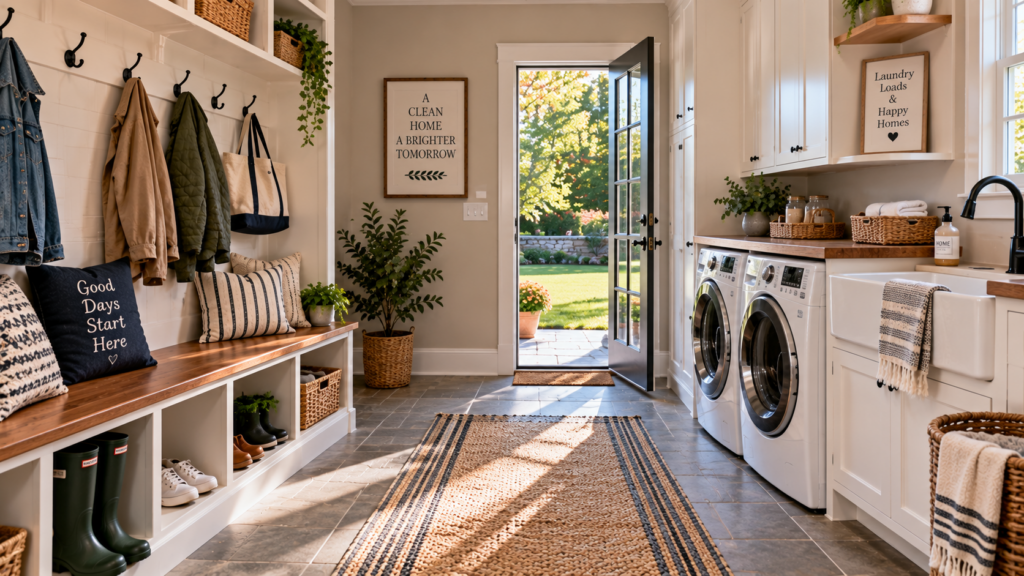
Clothing, towels, bedding and baskets travel between bedrooms, bathrooms, hallways and laundry areas, carrying fibers and creating activity beyond the laundry room itself.
DOORS & THRESHOLDSEvery Room Has a Boundary
Doorways and thresholds connect spaces with different functions. Traffic turns, flooring may change, frames receive contact and material can move from one room into another.
THE WHOLE ROOMCleaning the Center Is Different From Cleaning the Room
A room contains more than its largest visible surfaces. Edges, corners, trim, fixtures, shelves, doors, window sills and transitions complete the cleaning environment.
OPEN AREAS & HIDDEN AREASWhat Is Easy to Reach Usually Receives Attention First
Open floors and clear counters are easy to maintain. Narrow spaces, tall surfaces and areas beneath heavy furniture may require more intentional attention.
ROOM DETAILSArchitectural Details Add Surfaces Without Adding Floor Space
Trim, molding, built-ins, window casings, stairs, mantels, ledges and paneled doors add character and additional surfaces without changing square footage.