MORNING TO EVENINGThe Same Room Can Change Several Times in One Day
A kitchen can move from breakfast to quiet hours, lunch, groceries, conversation and dinner preparation without changing physically. A quiet room now may have been the busiest room in the house only hours earlier.
MULTIPURPOSE SPACESA Room's Name Doesn't Limit What Happens There
Dining rooms become workspaces, bedrooms become offices, basements become gyms or guest areas, and formal rooms become everyday gathering spaces. The better question is not what the room is called, but what actually happens there.
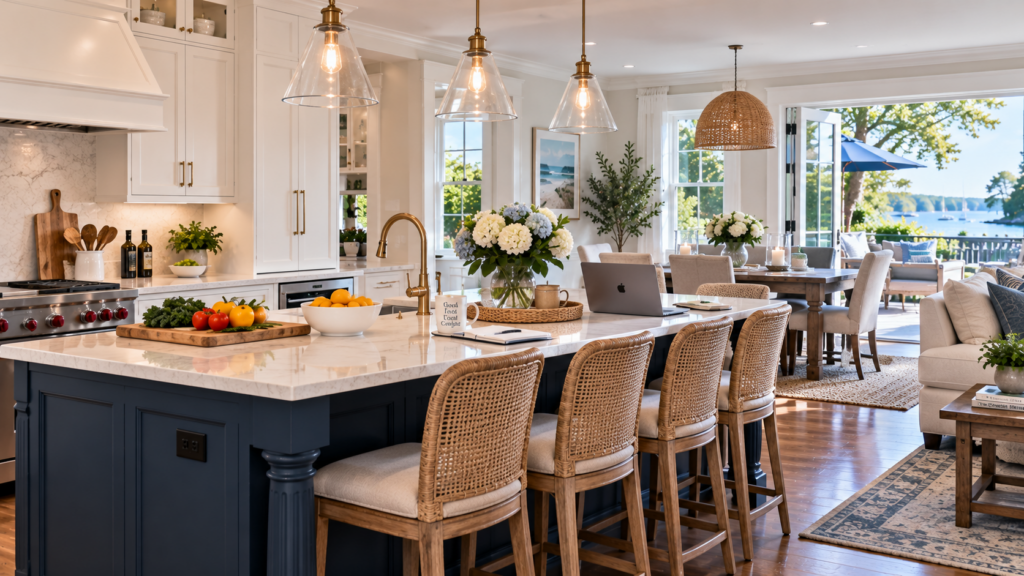
THE KITCHEN ISLANDOne Surface Can Support Several Household Routines
Food, groceries, packages, phones, keys, schoolwork, laptops and conversations can all share one island. Its cleaning needs reflect several activities rather than one.
AFTER EVERYONE LEAVESActivity Leaves a Pattern Behind
When the room becomes quiet, moved chairs, traffic on floors, touched counters, crumbs, hair, fibers, moisture and ordinary residue can reveal how the space was used.
WEEKDAYS & WEEKENDSHousehold Routines Don't Stay Constant
Weekdays can concentrate mornings, work and evening routines. Weekends can bring longer meals, outdoor activity, guests, projects and more time at home. The house stays the same while the schedule changes.
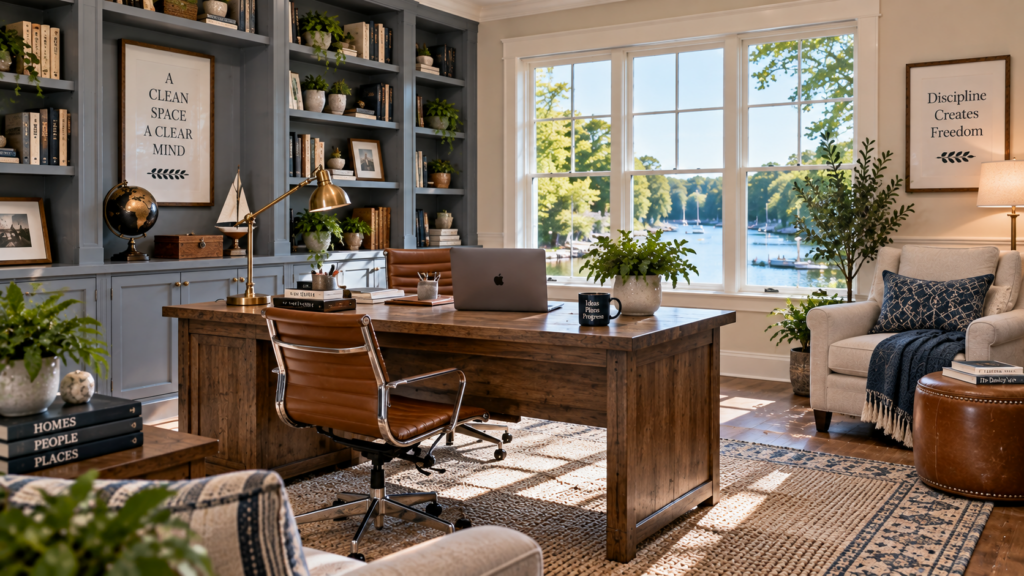
WORKING FROM HOMEResidential Space Can Become Working Space
A desk, dining table or quiet room can become an everyday workplace, increasing chair movement, surface contact, electronics, meals and floor traffic without adding a single square foot.
ENTERTAININGGuests Temporarily Change the Cleaning Map
Entrances, kitchens, bathrooms, dining surfaces, living areas and outdoor connections can all become busier when guests arrive. The increased activity remains visible after the household returns to normal.
CHILDREN & PETSDifferent Household Members Use the Same Space Differently
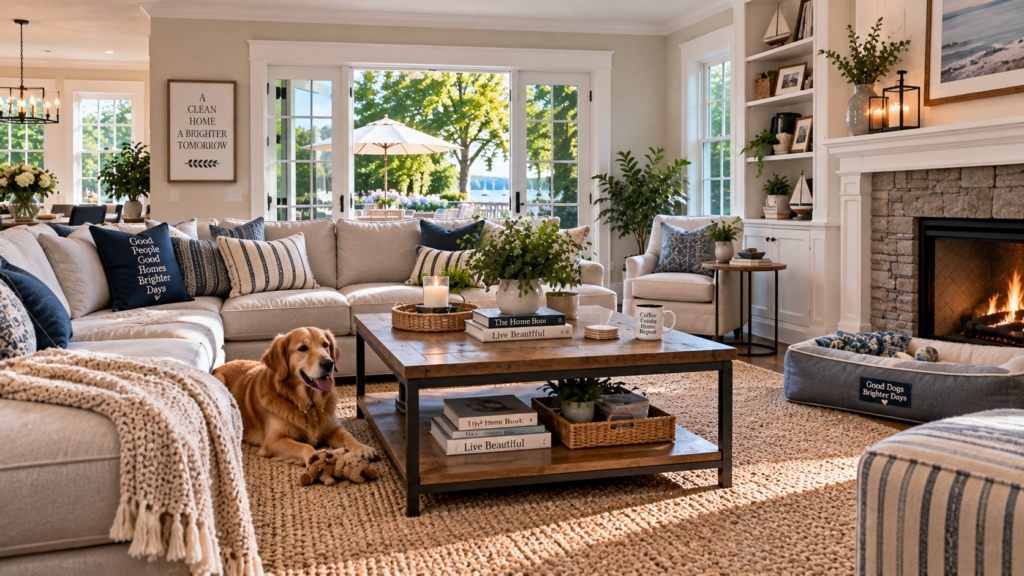
Adults, children and pets create overlapping routes through hallways, family rooms, kitchens and exterior doors. Shared spaces reflect all of those routines together.
INDOOR-OUTDOOR LIVINGOpening the House Changes the Boundary
Repeated movement between kitchens, patios, decks, pools, yards and exterior doors turns a boundary into a connection. Cleaning needs can follow those movement routes back indoors.
SEASONAL ROUTINESThe Calendar Changes How Rooms Are Used
Warm weather, school schedules, holidays, vacations, seasonal clothing and outdoor recreation can all change which spaces are active and how the home interacts with its surroundings.
QUIET ROOMSA Space Can Move Between High Use and Almost No Use
Guest rooms, dining rooms, finished basements and offices can transition between periods of activity and inactivity. Both periods influence how the space should be maintained.
RESETTING THE HOMECleaning Helps Prepare a Space for What Happens Next
Cleaning responds to what already happened while also resetting the kitchen for the next meal, the office for Monday, the guest room for visitors and the home for its next cycle of activity.
ACTIVITY HAS A RHYTHMCleaning Needs Can Rise and Fall Without the Property Changing
Guests, work-from-home days, outdoor projects and entertaining can make one week far more active than another even though the number of rooms and square footage remain unchanged.
TRANSITIONS MATTERThe Moments Between Activities Can Create Their Own Cleaning Needs
Groceries arrive before cooking, outdoor activity ends before everyone comes inside, and laundry travels back to bedrooms. The home functions as a connected system of activities rather than isolated rooms.